Nail Gun Explained: A UK Buyer's Guide
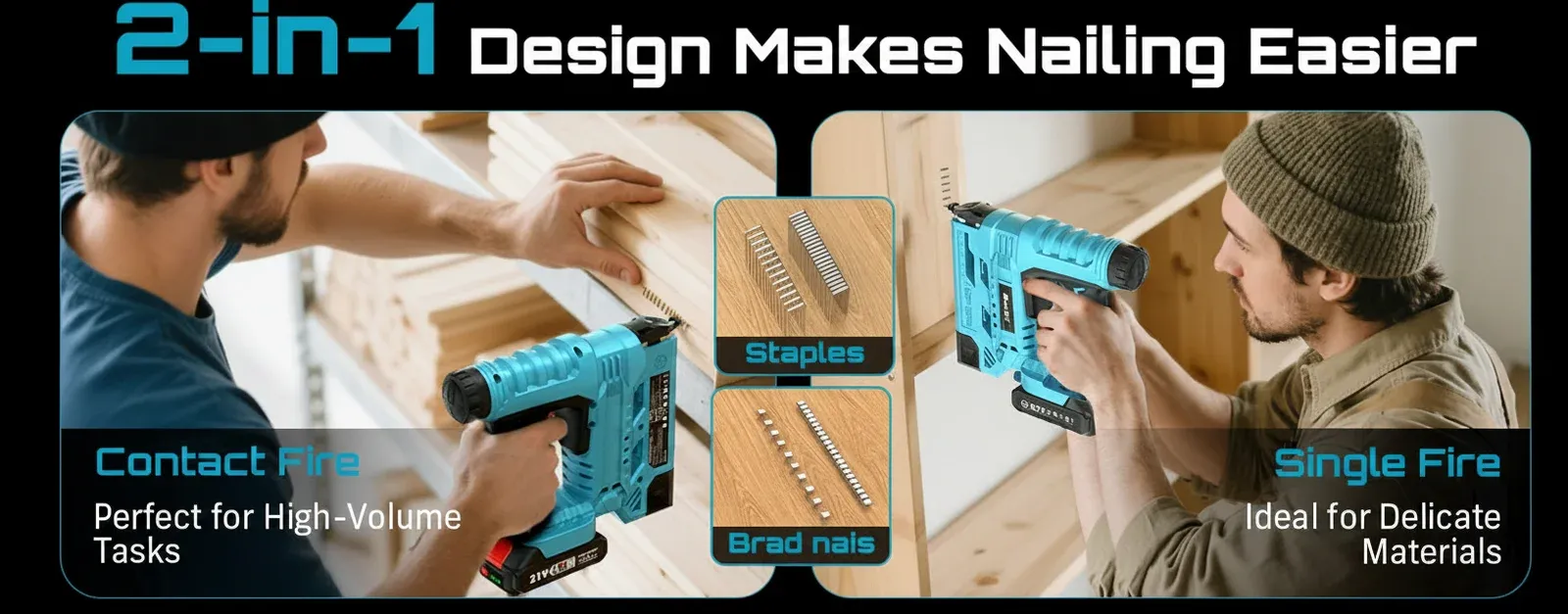
A nail gun is a powered tool that drives nails or similar fasteners into timber, trim and sheet materials much faster than a hammer. For most UK DIY users searching for “nail gun”, the best choice is not a heavy framing tool but a compact brad nailer or finish nailer for skirting, architraves, beading and panelling.
TL;DR: If you are in the UK and want a nail gun for interior trim, an 18-gauge cordless brad nailer is usually the most practical option. It gives a cleaner finish, is easier to control on MDF and softwood, and avoids the noise and setup of a compressor. Based on our testing of trim-focused tools, larger framing nail guns are usually unnecessary for second-fix jobs in homes and workshops.
Nail gun buying in the UK is often more confusing than it should be. Search results mix framing nailers with finish tools, quote American nail sizes, and gloss over the practical questions British buyers actually ask: will it handle skirting without splitting MDF, is cordless power strong enough for architraves, what fasteners are easy to source in the UK, and which type makes sense for DIY rather than first-fix site work? We’ve tested enough trim tools to know that choosing the right tool is less about marketing claims and more about matching it to the job.
For most home improvement users, workshop owners and trim fitters, the right nail gun is a compact electric model built for cleaner second-fix work rather than heavy structural fixing. That is exactly why BradNailer focuses on the practical end of the market: an electric brad nailer for faster, cleaner trim jobs, with a cordless 2-in-1 brad nailer and stapler format suited to skirting, architraves, beading and panelling.
Key Takeaways
- A nail gun is not one single tool type; UK buyers should separate framing, finish, brad and stapling tasks before purchasing.
- For skirting, architraves, beading and decorative panelling, an 18-gauge brad nailer is usually the most practical choice.
- Modern cordless electric models suit many second-fix jobs and avoid compressor noise, hoses and extra setup time.
- Safety matters: always use eye protection meeting UK standards and follow HSE guidance for power tool use.
- If you want one versatile trim tool, a 2-in-1 cordless brad nailer and stapler can cover a wider range of finishing tasks.
What is a nail gun?
A nail gun is a powered fixing tool that drives nails or similar fasteners into timber, sheet material or trim far faster than a hammer. In UK buying terms, that broad definition matters because many shoppers search for “nail gun” when they actually need a brad nailer, finish nailer or stapler.
In our experience, most domestic buyers are not looking for a large framing tool used on timber structures. Instead, they are usually fitting skirting boards, attaching architrave, securing beading around panels or carrying out tidy workshop jobs where surface finish matters. In those cases, the best nail gun is normally one designed for precision rather than raw driving force.
If you’re still deciding between types, our team’s broader breakdown in The Ultimate Guide to Brad Nailer Gun Cordless in the UK covers where each trim-focused option fits in real projects.
How does a nail gun work?
A nail gun uses stored energy to drive a fastener quickly into the workpiece. That energy usually comes from one of three systems:
- Pneumatic: powered by compressed air through a hose and compressor
- Cordless gas: powered by a battery plus fuel cell on some trade-site tools
- Cordless electric: powered by an internal motor and battery system
The trigger activates the mechanism, the driver blade pushes the fastener from the magazine into the material, and many models allow depth adjustment so you can fine-tune how flush the head sits. In addition, better trim tools include safety noses to reduce accidental firing and jam-release systems for quicker recovery when a fastener misfeeds.
For indoor finishing work in occupied homes, electric cordless models have obvious appeal. You skip airline drag across floors, cut setup time and avoid firing up a compressor for ten minutes of punch-list work.
What are the main types of nail gun?
What is a framing nail gun used for?
A framing nail gun is built for structural timber fixing: stud walls, joists, shed frames and deck substructures. It uses larger nails and produces much more driving force than most DIY users need indoors. Therefore, it is rarely the right first purchase if your main jobs are skirting or moulding.
What is a finish nail gun used for?
A finish nail gun typically fires thicker nails than a brad model and suits heavier trim where extra holding power matters. This can be useful on denser timber or larger mouldings. However, the trade-off is a more visible hole that often needs more filling before decorating.
What is a brad nail gun used for?
A brad nail gun fires slender 18-gauge brads designed for lighter second-fix joinery and neat finishing. For many UK buyers searching for a versatile nail gun for interior trim, this is the sweet spot. It holds better than pins while leaving smaller holes than heavier finish fasteners.
This is why BradNailer’s product direction stays tightly focused on tidy trim work rather than heavy first-fix construction. If your routine jobs include skirting boards, architraves, beading or wall panelling, an electric brad system makes far more sense than buying oversized kit you will hardly use properly.
Can one nail gun fire staples as well?
Some buyers need more flexibility from one machine. A 2-in-1 brad-and-staple tool handles decorative trims with brads but can also secure thinner backing materials or other light workshop applications with staples. If that sounds closer to your workload, see our related guide on staple options in the UK market.
Which nail gun is best for skirting boards, architraves and panelling?
For these jobs, we’d point most readers towards an 18-gauge cordless brad nailer rather than a general-purpose “nail gun” sold with vague claims. Based on our testing on common second-fix materials including softwood mouldings and MDF trims, there are four clear reasons.
- Cleaner finish: smaller holes mean less filling before paint or caulk.
- Better control: lighter trim materials are less likely to split compared with heavier-gauge fixing.
- Easier handling: compact cordless tools are simpler on ladders, in corners and around finished rooms.
- Faster setup: ideal when moving room to room during snagging or renovation work.
A broad “nail gun” search can lead buyers into tools meant for rough carpentry. Yet if your target result is neatly fixed interior moulding with minimal remedial work afterwards, precision matters far more than sheer impact force. That’s why many readers also find value in our dedicated article on choosing a cordless brad nailer in the UK.
The downside is complexity. You need hoses, fittings, maintenance checks and enough working space to move freely without dragging lines against paintwork or furniture. So, for domestic second-fix jobs in occupied homes across the UK, this setup often feels cumbersome.
Is a cordless electric nailgun better for home use?
For many home users, yes. A cordless electric nailgun suits smaller renovation, snagging and workshop tasks because it cuts setup time and keeps movement simple. Based on our testing, modern cordless trim tools have enough driving force for typical interior moulding jobs without needing hoses or gas cells.
However, battery models do vary. The best ones offer consistent depth control, reasonable runtime and easy-to-source fasteners in standard UK sizes. That matters more than headline power claims if your goal is neat decorating-ready results.
Should you buy a corded nailgun?
Corded models can make sense if you mainly work at one bench
or near reliable mains power.
They remove battery charging from the equation
and may appeal to occasional users who want straightforward operation.
Even so,
for moving room to room during fitting jobs,
cords can still become awkward compared with cordless alternatives.
If you are comparing models,
focus on practical buying points rather than vague marketing language.
In particular,
UK buyers should check:
According to UK guidelines from the Health
and Safety Executive (HSE),
users should assess suitability of equipment,
wear appropriate PPE such as eye protection,
and follow manufacturer instructions whenever using power tools.
So,
safety should be part of your buying decision from day one,
not an afterthought.
What should you look for when buying
a
nailgun in the UK?
Are narrow crown staplers
and brad needle guns not same thing ?should user confuse?< / h2 >
Ready to try BradNailer?
Shop Now — £19.99